
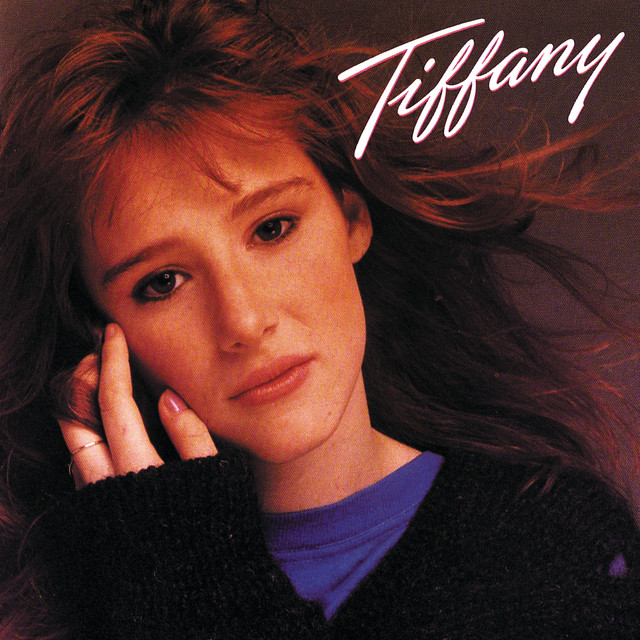
Tiffany’s “I Think We’re Alone Now,” released in 1987, stands as one of the most recognizable teen pop hits of the late 1980s. Originally recorded by Tommy James and the Shondells in 1967, the song was reimagined by Tiffany with a glossy, synth-pop makeover that perfectly captured the spirit of the MTV generation. Her version takes the innocent, slightly subversive tone of the original and infuses it with a vibrant, youthful energy that resonated with teenagers across America and beyond.
At just 15 years old when the song was released, Tiffany brought an authentic teenage voice to the lyrics, which speak of young love sneaking around under the watchful eyes of disapproving adults. Her vocal delivery is sweet yet confident, managing to balance vulnerability and rebellion in a way that felt real to her audience. The upbeat, danceable production—featuring prominent synthesizers, drum machines, and layered harmonies—helped modernize the track while maintaining its catchy, melodic core.
Much of the song’s success can be attributed to its perfect timing and clever marketing. Tiffany’s mall tour—an unconventional promotional strategy at the time—brought her directly to her target audience: teens hanging out in suburban shopping centers. This grassroots approach helped catapult the song to number one on the Billboard Hot 100 and turned Tiffany into a pop culture phenomenon almost overnight.
Musically, while some critics argue that her version lacks the rawness or depth of the original, it’s important to recognize that Tiffany’s interpretation wasn’t meant to be gritty—it was meant to be fun, youthful, and accessible. And in that regard, it succeeds completely. The track is a prime example of how a cover song can transcend its source material and become a definitive version for a new generation.
In retrospect, “I Think We’re Alone Now” is more than just a nostalgic hit—it’s a snapshot of late ‘80s pop culture, reflecting the rise of teen idols, the power of visual media, and the growing influence of youth as a market force. Tiffany’s version may not be critically groundbreaking, but its impact is undeniable. It remains a beloved staple of ‘80s playlists and continues to inspire covers, parodies, and even ironic revivals decades later.


